
When a Loved One Needs More Support Than the Family Can Provide Alone
There is a time when families’ lives are impacted by that a spouse, parent or a family member requires constant medical attention as well as personal assistance beyond that which even the most dedicated family members could realistically provide. If it’s due to major procedure, or a chronic disease diagnosis or a gradual declining that is a result of aging and advancing age, it raises an important issue: What is the specific service that professional caregivers offer? Being aware of what’s actually comprised in patient care services can help families make educated choices, establish goals that are realistic, and guarantee your loved ones get adequate care when they need it.
Defining Patient Care in a Modern Context
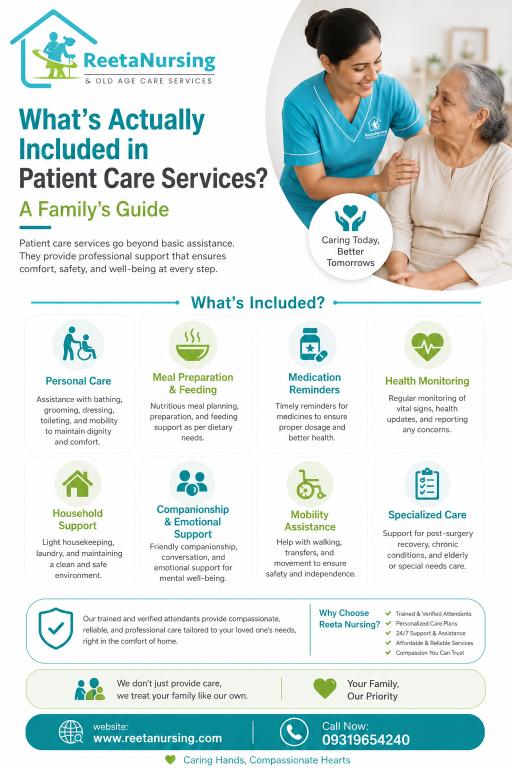
The term “patient care,” in its broadest sense encompasses the variety of assistance offered to people who require help in with their recovery, health or everyday functioning because of injuries, illness, disabilities or other age-related issues. It goes beyond simple medication or changing bandsages. Modern healthcare is structured multi-dimensional system that meets the emotional, physical as well as practical requirements at once.
Based on the World Health Organization, person-centered healthcare — that is based on the person’s individual requirements as well as values and preferences — is regarded as an essential element of high-quality health care delivery. This concept has profoundly influenced the way professional care is organized currently, in both healthcare facilities and also in homes.
Personal Care and Daily Living Assistance
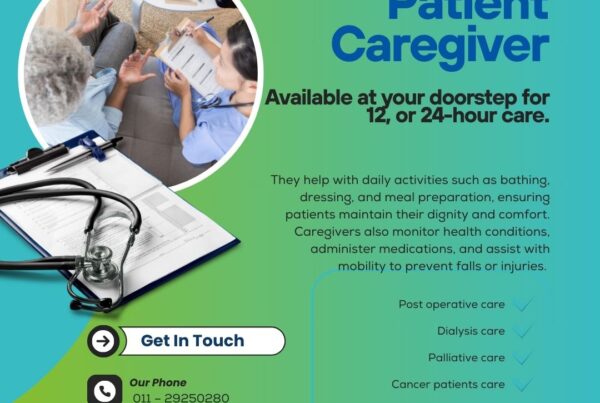
One of the fundamental components of professional caregiving is the assistance in daily activities which is commonly known as ADLs. This includes bathing, dressing and grooming, oral hygiene, toileting, as well as eating. Patients recovering from hip replacement or stroke or with chronic neurological diseases, the most routine chores can be difficult or dangerous in the absence of trained help.
A trained attendant assists in maintaining the dignity and hygiene of the patient as well as reducing the likelihood of injuries from falls, pressure sores as well as infections. These complications often occur when care for the patient is insufficient or inconsistent. Studies published in geriatric healthcare studies consistently show that regular and attentive care for the patient significantly decreases the rate of hospital readmissions among seniors.
Medication Management and Health Monitoring
A third and vital area of the care of a professional is managing medications. Patients, in particular those who are older, are given numerous medications that have different dosages and timetables. Dosing the wrong dose or taking medication wrongly can result in serious health issues. An experienced caregiver will ensure that the prescriptions are adhered to and reports any obvious negative reactions or side effects to the patient’s family or doctor.
Monitoring health status is an vital aspect of regular health care. The caregivers are regularly monitoring vital signs such as blood pressure temperatures, pulse rate and oxygen levels in blood when they have the equipment available. They are also able to observe modifications in the state of the patient such as changes in breathing, abnormal swelling or skin discoloration changes in consciousness and report these changes to the medical staff promptly. The continuous monitoring serves as an early alarm system, which can stop simple issues from turning into emergency situations.
Mobility Support and Physiotherapy Assistance
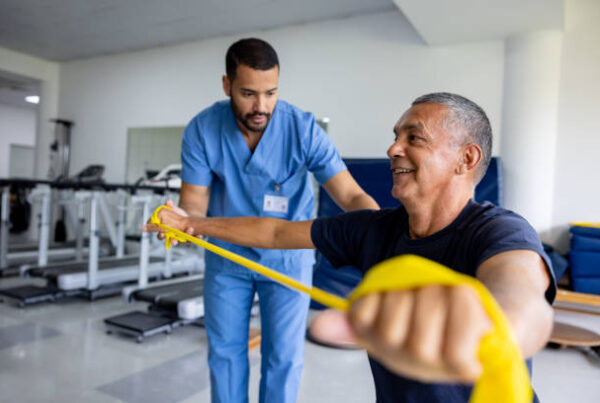
In the case of patients who are recuperating from orthopedic surgeries and neurological conditions, as well as extended bed rest, safety moving is an important consideration. The professional caregivers have been trained to aid in transferring patients from wheelchair to bed as well as assisting them in their walks and assisting them to do physiotherapy exercises if prescribed by a rehabilitation expert.
Mobility assistance that is effective isn’t only about recovery from physical injuries but also affects mental well-being. Research in rehabilitation medicine has revealed that patients who engage in at least a moderate level of physical activity throughout rehabilitation experience better spirits, better appetite as well as a stronger desire to stay in their rehabilitation plan. An individual who recognizes this relationship views mobility assistance as a crucial element of a complete recovery and not just a practical job.
Emotional Support and Companionship
Caregiving can be oft overlooked but it is crucially vital. In the event of illness, prolonged recovery and even long-term recuperation, it are often a source of isolation for patients. Patients are often confronted in a state of despair and anxiety, as well as frustration or sadness over the change in their situation. An attentive caregiver who is patient to conversations with the patient, reads aloud to them, or just sits down alongside the patient can provide a meaningful emotional support that medications by itself cannot provide.
The importance that patient care services help to address psychological wellbeing has been recognized more within the healthcare industry. The notion of therapeutic presence — feeling attentive at all times, relaxed, and active — is recognized as a quality component of caregiver training offered in a variety of professional courses. Families need to consider this aspect in evaluating caregivers because it has a direct impact on the experience for patients in their overall recuperation.
Coordination With Medical Professionals and Family
Professional caregivers can also act as an intermediary between patients as well as their medical team. They take notes, share details in a timely manner, and aid family members understand what’s happening in the course of treatment. This helps to reduce the gap in communication that can result in medical mistakes or delay in intervention.
Families can benefit from this type of structured communication as it alleviates the stress of keeping track of everything on their own. The knowledge that a qualified professional is in place and accountable provides family members the ability to focus on their personal well-being, and remain actively engaged with the care of their loved ones.
Making Sense of It All
Being aware of the extent of professional caregiving eliminates the anxiety that families confront when going through this procedure for the first time. From personal hygiene to medication management to emotional assistance and medical coordination patient care services provide a thorough and comprehensive strategy for supporting people through the most difficult times of their lives. If family members know what they should anticipate and what they should expect, they’re more prepared to select the best degree of care and also to be able to effectively advocate for those who depend upon them the most.